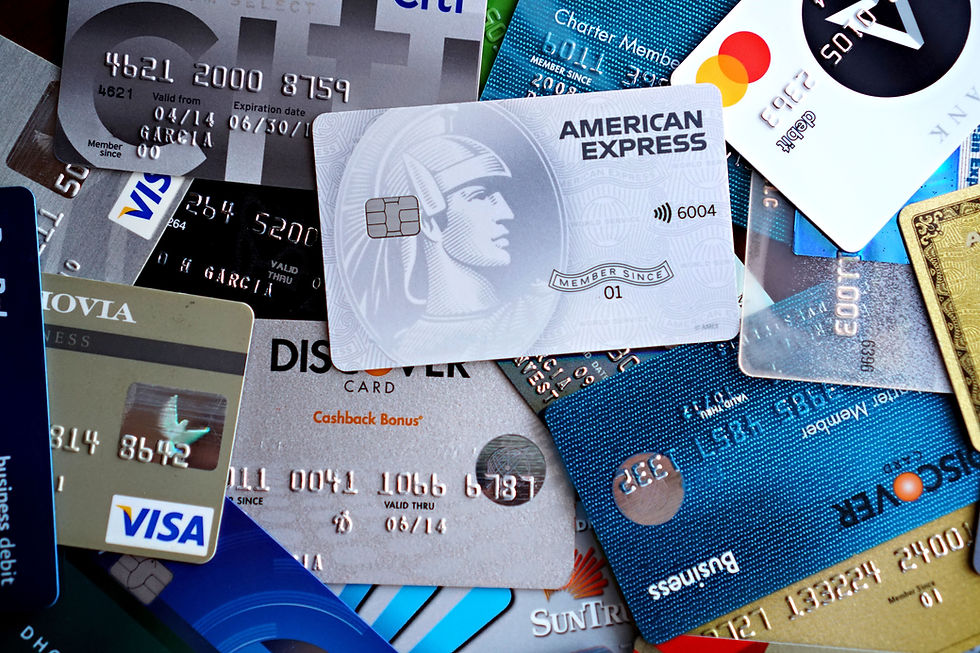
Debit and Credit Purchases Increase Despite Rising Inflation: Velera Payments Index

By Roy Urrico

While gasoline prices “softened” slightly from their 2026 peak in May, they remained stubbornly high as the conflict with Iran entered its fifth month and continued to contribute to rising inflation, according to the June edition of the Velera Payments Index. Velera also took a “Deep Dive” into generational differences in card payment preferences.
St. Petersburg, Fla.-based Velera, which describes itself as “the nation’s premier payments CUSO,” produces the Velera Payments Index to help credit unions and other financial institutions make strategic, data-informed decisions.
Key takeaways:
Spending remains resilient. Debit purchases rose 8.5%, and credit purchases increased 4.4% year over year, with transactions also up across both payment types.
Inflation is back in focus. The Consumer Price Index (CPI) reached 4.2%, a three-year high, driven largely by gasoline and energy costs.
Generation matters more than ever. Younger consumers are prioritizing essentials and digital-first payments, while older generations maintain more traditional spending patterns.

“Even with ongoing pressure from higher gas prices and inflation, consumers are continuing to spend — but not in the same way across generations,” said Carrie Stapp, Vice President, Marketing, Velera. “Younger consumers, in particular, are showing a stronger pull toward essential categories and digital-first payment experiences, while older segments are maintaining more traditional spending patterns. That divergence is creating new opportunities for credit unions to better align payment strategies, personalize engagement and meet members where they are.”
Economic Indicators
For May 2026:
The University of Michigan Index of Consumer Sentiment dropped to 44.8, a 10% reduction from April’s 49.8. Inflation is top of mind for consumers, with 57% of respondents citing higher prices cutting into personal finances, up from 50% in April. The erosion in sentiment was more apparent for lower-income consumers and those without college degrees, according to the study. The 44.8 score is just below the low point in June 2022, when inflation was 9.1%.
The Conference Board reported that consumer sentiment in the Consumer Confidence Index lessened 0.7 points to 93.1 from an upwardly revised April result of 93.8. Consumers remain concerned over high gasoline prices.
The Bureau of Labor Statistics (BLS) reported that jobs grew by 172,000 positions, more than doubling the WSJ poll of economists estimate of 80,000 positions. The unemployment rate remained unchanged at 4.3%, or 7.3 million people. May’s job growth was noted in leisure and hospitality, local government, health care and social services. Job losses were seen in the financial activities sector in May. While the transportation and warehousing sector remained largely unchanged, the air transportation sector lost 9,000 jobs due to the closure of Spirit Airlines.
The ADP National Employment Report, which tracks changes in U.S. private employment, reported an increase of 122,000 jobs. Increases were posted in the education and health services, trade, transportation and utilities, construction and professional and business services sectors. Job reductions were noted in the information services and natural resources and mining sectors.
The Bureau of Labor Statistics (BLS) reported a 0.5% increase in inflation. The Energy index was the largest contributor to the monthly increase, accounting for 60% of the overall change. Also increasing for the past two months were the shelter and food categories. Core CPI, which excludes food and energy, rose 0.2% in May, finishing the month at 2.9%. Categories contributing to the Core CPI increase included communication, airline fares, medical care, personal care, and recreation. The indexes posting reductions in May’s Core CPI include motor vehicle insurance, household furnishings and operations, and new vehicles.

Deep Dive: Generations
“The goal of the deep dive is to provide generational insights into data that may already be familiar as part of the Velera Payments Index, such as sector performance, expense type and tokenized digital wallets, to better understand consumer behavior,” explained the Velera report. “Consumer spending behavior continues to vary meaningfully across generational segments, particularly in how consumers allocate purchases and adopt emerging payment methods.”
The Deep Dive also revealed:
Goods were the leading contributor to debit purchases and remained consistent across generational segments, while representing a relatively larger share of transactions within older generational segments.
The debit transaction and purchase sector contributions for gasoline, money services, transportation and restaurants all increased disproportionately with member age.
Food and grocery, services, travel, and utilities all exhibited higher debit transactional and purchase sector contributions with each successively older generational segment.
The average debit purchase increased consistently across all generational segments, from the youngest to the oldest.
For credit, the transaction and purchase sector contributions for gasoline, restaurants and transportation increased as generational segments diminished in age. In contrast, the credit transactional and purchase sector contributions for food and grocery, goods, services, travel and utilities all increased with age. The average credit purchase increased consistently across all generational segments, from the youngest to the oldest, except for utilities and money services for boomers+.
Looking at discretionary spending, there is relative parity in year-to-date discretionary debit contribution for transactions and purchases across generational segments, ranging from 5.5% to 6.7% for transactions and 9.2% to 10% for purchases. For credit, however, the three youngest generational segments demonstrated lower discretionary contribution for transactions and purchases.
Tokenized digital wallets continue to gain consumer acceptance. This growth in adoption is evident for both debit and credit purchases and is consistent across generational segments. Apple Pay remains the dominant provider in year-to-date market share for credit mobile wallet transactions across all generational segments, with older Gen Z (93%) and younger Gen Z (96%) leading. Google Pay is gaining traction among older and younger millennials at 12% and 13% market share, respectively. Apple Pay accounts for virtually all mobile wallet debit transactions. Both credit and debit mobile wallet transactions skew towards the point of sale for younger generations.
What Credit Unions Should Do Now
The Velera report also presented market opportunities for credit unions, summarized here:
Elevate member experience through hyper-personalization. “Credit unions should modernize their ‘people helping people’ mission for Gen Z by pairing their hallmark personalized service with AI-powered hyper personalization — using generative AI data to anticipate member needs, support financial decision-making and deliver more proactive, human-centered guidance that resonates with a digitally native generation.”
Adopt an influencer-driven growth strategy. “A modern influencer strategy positions credit unions directly within the social spaces where Gen Z and Millennials make early financial decisions, offering a cost efficient, credibility driven way to be present where those choices take shape.”
Own everyday member touchpoints. “Credit unions should treat payments as the gateway to deeper member relationships by building seamless, secure and highly personalized digital payment experiences, including mobile wallets, P2P payments and flexible card options that keep them embedded in Gen Z’s everyday financial lives, while generating the data needed to deliver more relevant guidance, trust and long-term loyalty.”