
Community Banking’s 2026 Playbook: Scale, Focus, Primacy and Culture
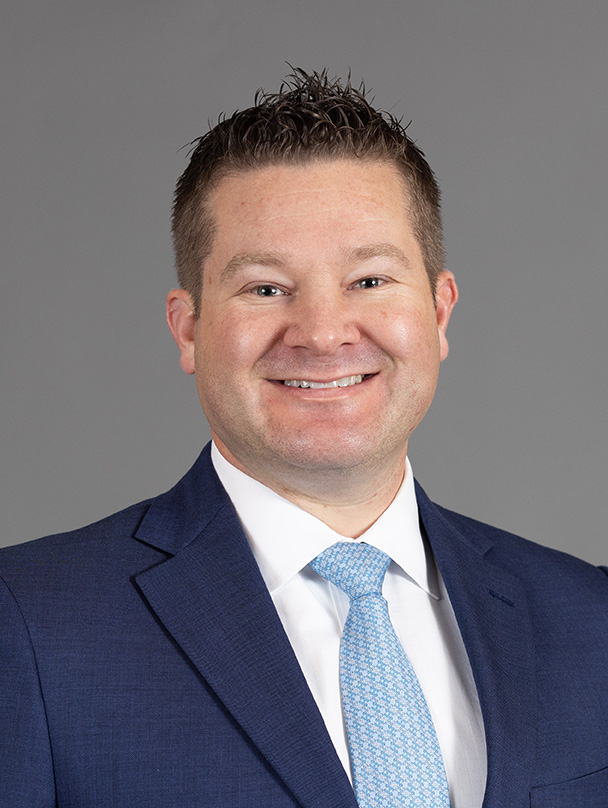
Guest Editorial by Peter Stenehjem, CEO of First International Bank & Trust
As we move further into 2026, the path forward for community banking has become increasingly clear. While our foundation is built on local expertise and long-term relationships, the practical requirements to maintain those advantages have evolved. The scale of this challenge is underscored by recent data which found that fintechs, neobanks and digital-first challenger banks now capture 44% of all new checking account openings, a real change from where things were a few years ago.

Staying independent and relevant as a community bank requires a deliberate approach to four key areas: scale, focus, primacy and culture. These are the areas community banks must get right to compete and win against larger institutions.
1. Scale: You Need Enough Size to Stay in the Game
For a long time, the industry view was that banks needed to be around $1 billion in assets to be successful. I still think that holds true. But the more important point in 2026 is that the target is moving and the cost of staying competitive keeps rising.
Banks under $1 billion have to be very disciplined. They either run exceptionally efficient or they find a way to grow, whether that’s organic, through partnerships, or merging up. When you look ahead, it’s not hard to see the bar continuing to rise. In the not-so-distant future, I think smaller banks need to be closer to $5 billion to really compete in a meaningful way.
This growth means having the capacity to sustain what the market now requires, especially with technology investment and regulation. It’s also about competing against institutions that have put billions into user experience and marketing. They’re going to keep picking up share because they’ve made banking feel easy and they can target customers more precisely than most community banks can.
2. Focus: Find Your Niche to Differentiate
Market pressures are exposing a hard truth that “being local” is a starting point, not a complete strategy. Without a specific area of expertise, a bank risks being pulled into a price war where the only way to win business is by offering the lowest fee.
According to ICBA’s latest Community Bank CEO Outlook survey, 72.8% of community bank leaders identified "differentiating their bank from other financial services firms" as their single greatest business opportunity in 2026.
The institutions gaining ground are those that have moved beyond a generalist model to build real capability in a specific niche. At First International Bank & Trust, our focus on mineral and land services is a prime example. It isn’t just a side offering for us. It’s a core capability that helps us win and keep relationships. If you can't clearly articulate what makes your bank the 'only' or 'best' choice for a specific type of client, you are likely making the path to growth more difficult.
3. Primacy: Don't Let Your Customers Soft-Switch
One of the biggest threats to community banks today isn’t necessarily a customer closing their account. It’s soft-switching. For example, this happens when a customer keeps their mortgage with you but moves their daily transactions, direct deposits and card usage to another bank or fintech.
To defend our position, we have to prioritize daily usage over account totals. We don’t need to out-tech the national banks, but we do need a digital experience that is simple and reliable. The goal of technology is to remove friction so our bankers can focus on what they do best: solving problems, advising customers and deepening relationships.
4. Culture: Strategy Only Works if Your People Execute
At its core, banking remains a people business. You cannot execute a sophisticated strategy with a disengaged workforce, especially when talented professionals have more career options than ever.
Culture is the multiplier for everything else we do. You can buy software, but you cannot buy the ownership mindset required to keep standards high. For me, culture is about building an environment where people want to show up and do their best work. When the market gets tough, a strong culture is what keeps the organization aligned and moving in the same direction.
Driving Results in 2026
When you connect these four priorities, the strategy for the year ahead becomes clear:
Scale gives you the resources to compete.
Focus gives customers a reason to choose you over a generic competitor.
Primacy ensures you remain the center of your customers' financial lives.
Culture ensures your team can actually deliver on the promise.
Community banking can thrive in 2026 without chasing every trend. It simply requires an honest assessment of where the industry stands and a disciplined commitment to these four pillars.
Peter Stenehjem, a fourth-generation community banker, was born and raised in the heart of North Dakota’s badlands, where he grew up during the height of the region’s oil boom. His journey in banking began in 2000 when he joined First International Bank & Trust (FIBT) as a teller, and quickly demonstrated his expertise in both business and personal banking. Peter quickly advanced in his career from lender to market president and ultimately was promoted to president of the entire organization. Throughout his career, he has become well-versed in the unique challenges and opportunities facing the communities FIBT serves.
Peter graduated from the University of North Dakota in 2007 with a degree in Banking & Financial Economics. Peter furthered his education in 2014 by completing his graduate studies in Banking at the University of Wisconsin-Madison. He has also attained certification as a Commercial Lender with the Independent Community Bankers of America (ICBA) and completed the Fargo-Moorhead Chamber Leadership Program.
Peter serves as a director of Watford City Bancshares, Inc., and is a member of the FIBT Board of Directors and the Strategic Planning Committee. Beyond banking, Peter has pursued several entrepreneurial ventures. He is involved with businesses such as Alati Energy, Stenehjem Holdings, Stonehome Brew Pub and Stonehome Brewing Company, Outlaws Bar & Grill, and JL Beers, and he is the managing partner of Stenehjem Development.
While Peter currently resides in Minnesota, he remains connected to his roots, staying actively involved in both the Fargo-Moorhead and Watford City communities.


