
Banking’s Most Underrated Feature? Someone To Talk To
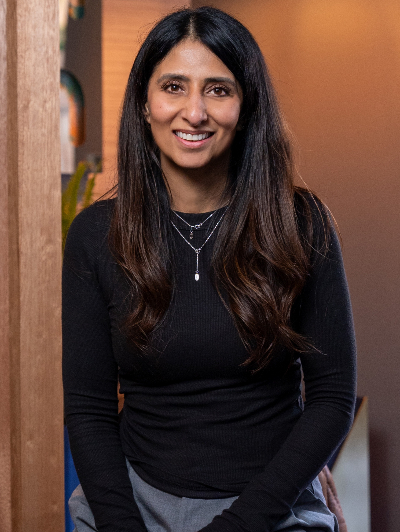
Guest Editorial by San Nakra-Shah, Co-Founder and Managing Partner at ChilliMint Europe

As I write this, I’m locked out of my banking app.
Wrong PIN, one too many times. The fix is simple enough: I need to call my bank. And yet I’ve been putting it off for days because I know exactly how it’ll go. I’ll be asked a series of security questions, which I’ll almost certainly fail. I always do. Somewhere in my bank’s systems, there’s a version of me who remembers exactly how much I paid, to whom, three weeks ago last Tuesday. I’ve never met her.

There’s some irony in that. I’ve spent more than 25 years in banking and payments and played a part in launching text message banking and contactless at Barclays. Much of my career has been about making banking easier for customers. And here I am, avoiding a phone call with my own bank.
The last time I needed help, it went rather better. I’d bought a new phone and couldn’t get my banking app to work on it. When I got through, the person on the other end worked out the problem in minutes: my app was still registered to a small museum of old phones. We removed them one by one, and that was that. No app screen or FAQ helped me or told me what to do. A person did. It was great.
It brings me back to a simple question: if something goes wrong, can I speak to someone? The more I think about it, the more I suspect it might be the most important question of all.
We Made Banking Easier. Did We Make Talking Harder?
I should declare an interest. I’ve been part of the effort to make everyday banking easier for customers, and I’m not sorry. Most of the time I don’t want to talk to my bank. I want to pay, check my balance, move some money, and get on with my day. The industry has made all of that very easy, and customers have voted with their thumbs up.
But removing the need to talk isn’t quite the same as removing the option.
Branches have been closing for years, and that hasn’t stopped. Lloyds Banking Group announced another 95 closures earlier this year. Some of that simply reflects how we bank now, and I understand the economics. Yet at the same time, Nationwide has promised to keep every one of its branches open until at least 2030, and they’ve made that promise a central part of their marketing.
I find that interesting. When “we’ll still be here” becomes a selling point, I wonder what that says about what customers feel they’re losing. Perhaps it’s the reassurance of knowing there’s someone to turn to when you need help, whether that’s in a branch or over the phone.
The Moments That Decide Everything
Most of banking is forgettable, and I mean that as a compliment. Nobody has ever told their friends about a Direct Debit that went out on time.
The moments people remember tend to be the ones where something has gone wrong or where the stakes feel high. If I don’t recognise a transaction or my card stops working halfway through paying for something, I don’t want a chatbot. The same goes for the bigger moments, like dealing with a parent’s finances after a bereavement, taking out a first mortgage, or getting a small business through a difficult month. These don’t happen often, but they’re the ones we remember, and the ones we talk about.
And customers seem fairly clear about what they want in those moments. In a 2025 survey by communications firm 8x8, 83% of UK respondents said they would rather speak to a real person than a chatbot. Only 4% preferred the chatbot. I suspect the first number goes up when it’s your money that’s gone missing.
Trust changes how much of the relationship we’re prepared to give someone. A slick app earns my everyday use. But a person who sorts out my problem and leaves me feeling the bank was on my side earns something far more. And it’s that sort of experience that could make all the difference when I’m deciding whether to use a bank for one thing or trust it with more of my financial life.
Which brings me back to my locked app. Security checks matter. They protect customers like me from fraudsters, and I’d much rather a bank asked too many questions than too few. But if proving who I am is such an ordeal that I keep putting off the call, then how much easier have we really made banking?
What’s Scarce Becomes Valuable
When every high street had a bank manager, having one wasn’t a differentiator. It was simply how banking worked. Now that human contact is harder to find, perhaps it’s becoming something a bank can stand out for.
Private banking has always understood this. Part of what those clients value is “my person at the bank”: someone who knows their circumstances and picks up the phone. I’m not suggesting every customer gets a relationship manager. The economics don’t work, and most of us don’t need one.
But surely there’s something we can learn from that. It might be a named contact for the things that matter, a callback instead of a queue, or simply someone who can see my history, so I don’t have to explain it all again from the beginning.
AI Should Buy People Time, Not Replace Them
AI could help a bank say, “here’s something I think you should know”. But I don’t see AI and human contact as competing choices.
If AI can take care of the routine, like checking balances, resetting passwords, and perhaps even sorting out my PIN problems, then it should free up people for the moments where they make the biggest difference. But banks should also be using AI to make those human interactions better. Imagine getting through to someone who already knows why you’re calling, has your details in front of them, and can sort it out without passing you between departments or making you explain yourself three times.
I’d be disappointed if AI simply became another layer between banks and their customers. To me, that rather defeats the point of making banking easier in the first place.
Be There When It Matters
Customers don’t really think in terms of first and second banks. We choose providers for different reasons at different moments. So the question for banks isn’t how to own the whole relationship, but how to keep earning a place in it.
And one way to do that is simple. When something goes wrong, be there.
I don’t need to speak to my bank very often. But when I do, I want to know someone will pick up. And I suspect those that get that right will be the banks we’re more inclined to trust with the important things in our financial lives. After all, having someone there when you really need them isn’t old-fashioned. For me, it’s what makes a bank worth staying with.
Now, if you’ll excuse me, I have a phone call I’ve been putting off.
About the Author
Santosh "San" Nakra-Shah is the Co-Founder and Managing Partner of ChilliMint, a specialist consultancy and marketing agency focused on payments, fintech, retail banking and financial services. With more than 25 years of experience across banking, payments and financial services, San is a trusted advisor to payment schemes, banks, fintechs and merchants, helping organizations strengthen their marketing strategy and positioning, engage customers more effectively and bring complex products and propositions to market through clear, compelling marketing and communications strategies.


